
Palm Desert approves 156-unit housing project, rejecting CEQA appeal
The city council unanimously denied an outside group’s challenge to the Portola Springs development at Frank Sinatra Drive and Portola Avenue, with one councilmember warning that they should be careful not to let CEQA get “weaponized”.
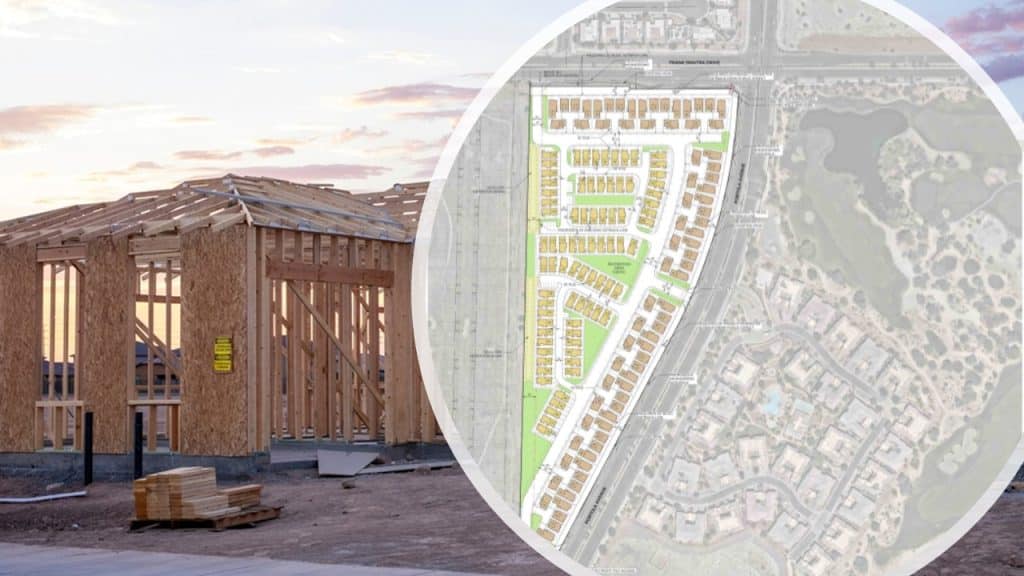
The Palm Desert City Council Thursday unanimously rejected an appeal by Supporters Alliance for Environmental Responsibility (SAFER), an environmental group that challenges housing developments across the state. The appeal was against recently-granted environmental approvals for the 156-unit Portola Springs single-family home development at the southwest corner of Frank Sinatra Drive and Portola Avenue
Councilmember Karina Moreno said the need for housing trumped environmental considerations regarding the project, “There have been attempts to weaponize CEQA, and we know CEQA does need to be reformed. And until we do that, we’re going to keep experiencing these matters,” she said.
David Hubbard, a lawyer representing the developer, stressed that the project met the criteria for the earlier streamlined environmental approvals, and accused SAFER of abusing the CEQA process for an ulterior motive.
“SAFER’s appeal is a textbook example of using CEQA as leverage for non-environmental purposes,” Hubbard said during the meeting In a letter Hubbard submitted to the council before the meeting, he accuses SAFER of weaponizing CEQA to secure labor agreements from home builders.
Brian Flynn, an attorney working on behalf of SAFER, argued that the environmental assessment for the Portola Springs project should have been considered cumulatively with the neighboring Catavina project. He said the failure to do so by the city at the time was “a huge red flag.”
“The city was well aware that these projects were being proposed virtually simultaneously, and the environmental review for each project entirely ignored the other project,” said Flynn.
SAFER’s appeal of the project comes after it filed filed last-minute biological and air quality studies to support their arguments against the expedited project. Even with the new studies, councilmembers concluded the findings did not rise to the threshold of “new or peculiar” environmental impacts.
The City Attorney’s office sent a memo to the council rejecting the contention that the projects should be considered together for their cumulative environmental impacts. The office sided with the developer’s contention that the two projects could be implemented independently, and thus shouldn’t be considered under the same CEQA review.
Additionally, the memo argued that the biological impact report filed by SAFER raised concerns that were already considered and overcome in the 2016 general plan update. Additionally, since a 2022 decision approved plans for a larger version of the Portola Springs project, the current, smaller, 156-unit project could be effectively grandfathered in with the addendum.
In February, the Palm Desert planning commission approved environmental clearances for the new homes based on the earlier clearance for the previous and much larger project. That same month, the council denied another appeal by SAFER against the neighboring Catavina project, which also focused on that project’s biological and carbon pollution impacts.
Flynn, the attorney for SAFER, said the group had members across the state, including in Palm Desert, which gave the group the right to challenge the project.
Author

Related Articles

City commission delays medical office conversion of former church over design clash
Plans to turn a church on Fred Waring Drive into a 9,300-square-foot medical center were put on hold Tuesday.
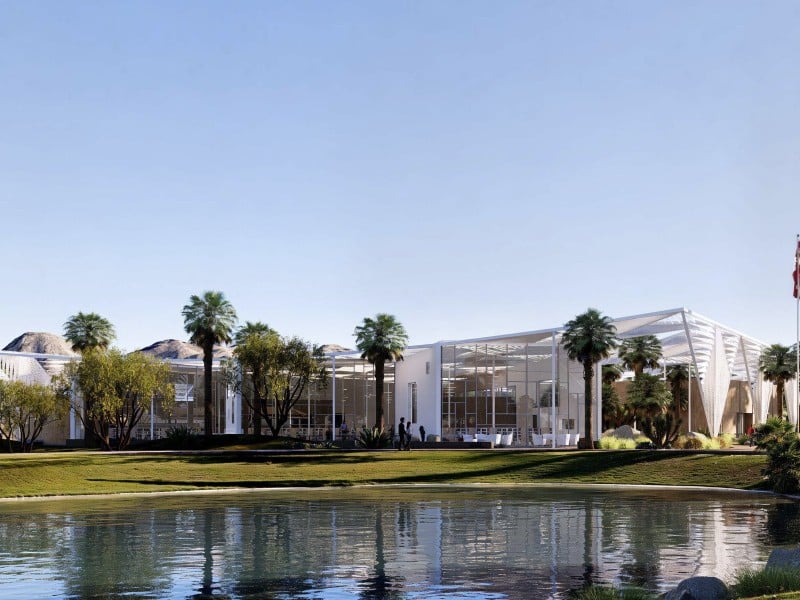
Palm Desert library project timeline delayed to late 2028 or 2029
The new library is facing a longer timeline after initial cost projections ran over budget. City officials have added extra vetting steps to find a cheaper design-build partner.
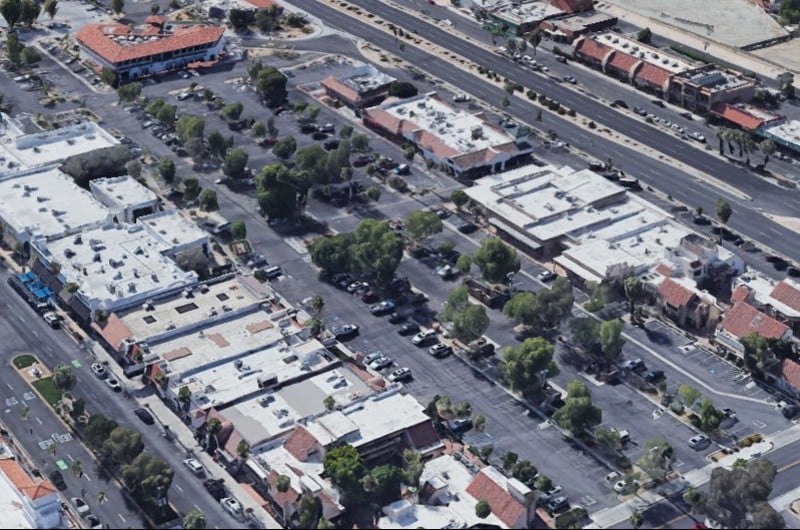
Property owners back neighborhood maintenance districts in special ballot votes
Under California’s strict tax caps, cities frequently rely on hyper-local assessment districts where neighbors chip in directly for upgrades that benefit their specific blocks