
Palm Desert parks committee approves work plan prioritizing trails, playgrounds and shade
Trail connectivity ranked as the top initiative for 2026-27, as a design is already underway linking two city parks along an existing path.
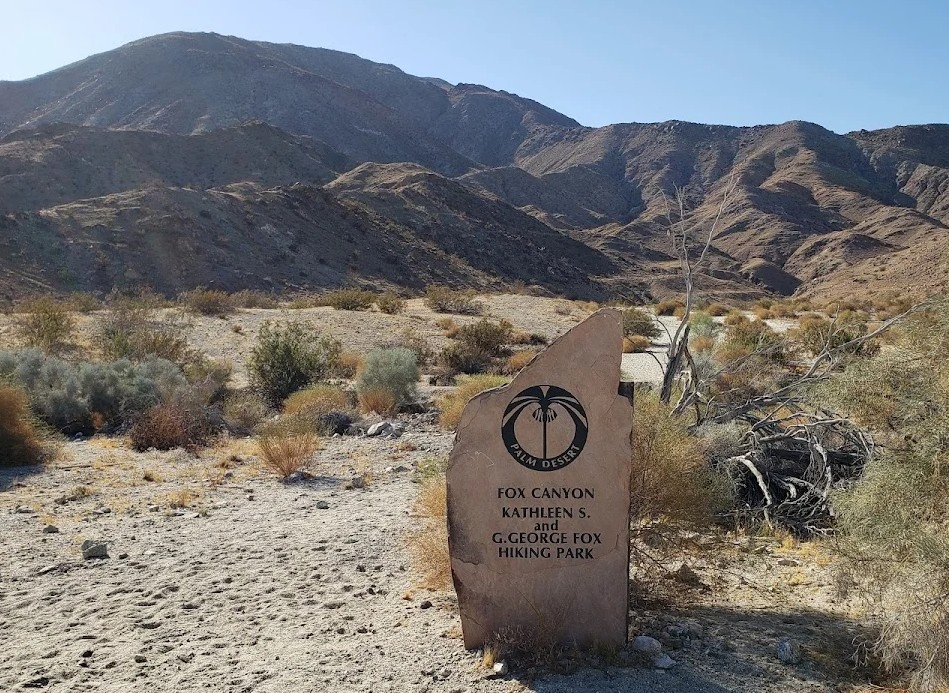
The Palm Desert Parks and Recreation Committee voted unanimously at its last meeting to approve the 2026-2027 annual work plan, naming trail connectivity enhancement, playground assessment and improvements, and a shade and resilience initiative as its top three priorities for the coming year.
The plan, adopted Aug. 4, now heads to the Palm Desert City Council for consideration at a September meeting. If adopted, it will serve as the committee’s roadmap for prioritizing parks and recreation projects over the next year.
Staff distributed an online survey to committee members July 6 asking them to rank six service categories and identify their top three priorities. Trail connectivity enhancement came in first, followed by a tie between playground assessment and improvements and the shade and resilience initiative.
Trail connectivity enhancement involves assessing connections between neighborhoods, civic facilities, recreational destinations and existing trails. Playground assessment and improvements focuses on inclusive play features and catching maintenance or equipment needs before they become bigger problems.
The shade and resilience initiative aims to increase shade, cooling and desert-appropriate amenities and to promote heat-mitigation strategies such as cool pavement, paint or coatings at bus stops.
Work on the trail connectivity priority is already in progress. A design firm has been contracted to design trailhead improvements and a connector trail linking two city parks — Homme-Adams Park and Cahuilla Hills Park — along an existing path that runs alongside a stormwater conveyance area.
The trail would require an easement from the local water district, which has asked to review the design before granting one.
The project would also need to be formally added to a regional trails management plan overseen by the Coachella Valley Conservation Commission before it could become an official trail, a process that has not yet begun.
“The trail improvements would be rather minimal because it is already an existing trail,” Community Services Manager Shawn Muir told the committee. “We’re talking about maybe some benches, waste bins, potentially drinking fountains if we can get water to certain locations.”
One committee member raised concerns about a sandy, difficult-to-navigate section of the trail and asked whether the full length of the corridor could be addressed at once rather than in phases. The community services manager said that designation of trail connectivity as one of the committee’s top priorities for the year could help.
“In terms of efficiency, I think that since the (committee) will be voting on this as one of their primary initiatives for the next year, I don’t see why that couldn’t happen,” Muir said.
Authors

Related Articles

Palm Desert delays Portola Avenue assisted living expansion over design, roofline concerns
Plans to expand the Homekind assisted living facility on Portola Avenue were sent back to the drawing board Tuesday after the Architectural Review Commission voted on several requirements for the developer.

Palm Desert council votes 4-1 to oppose bill splitting Riverside County sheriff, coroner offices
The measure would create an independent medical examiner’s office by next year. Councilmember Karina Moreno cast the lone dissenting vote.

City officials delay vote on SCE outage resolution, seeking tougher terms
City Council members voted unanimously to postpone action on a resolution addressing SCE planned outages, directing staff to draft a stronger version addressing all outages after hearing from a resident and utility representatives.